

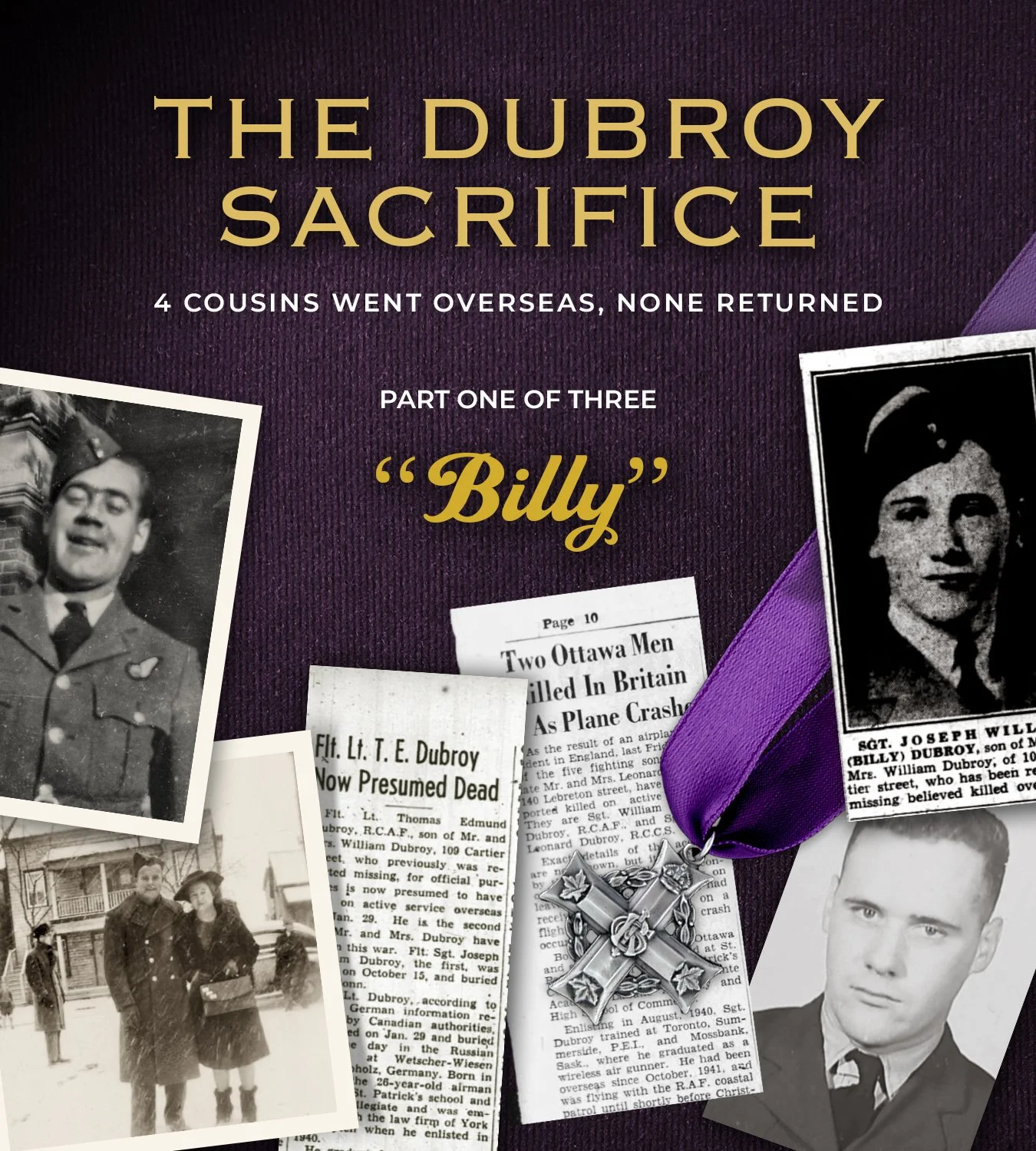
The DuBroy Sacrifice – Billy
In the afternoon of October 15, 1942 Joseph William “Billy” Dubroy of Ottawa, crushed out his Gold Flake cigarette, blew a last long stream of smoke out the side of his mouth and pushed himself out of the tired brocade armchair in the Sergeants’ Mess at RAF Pocklington.
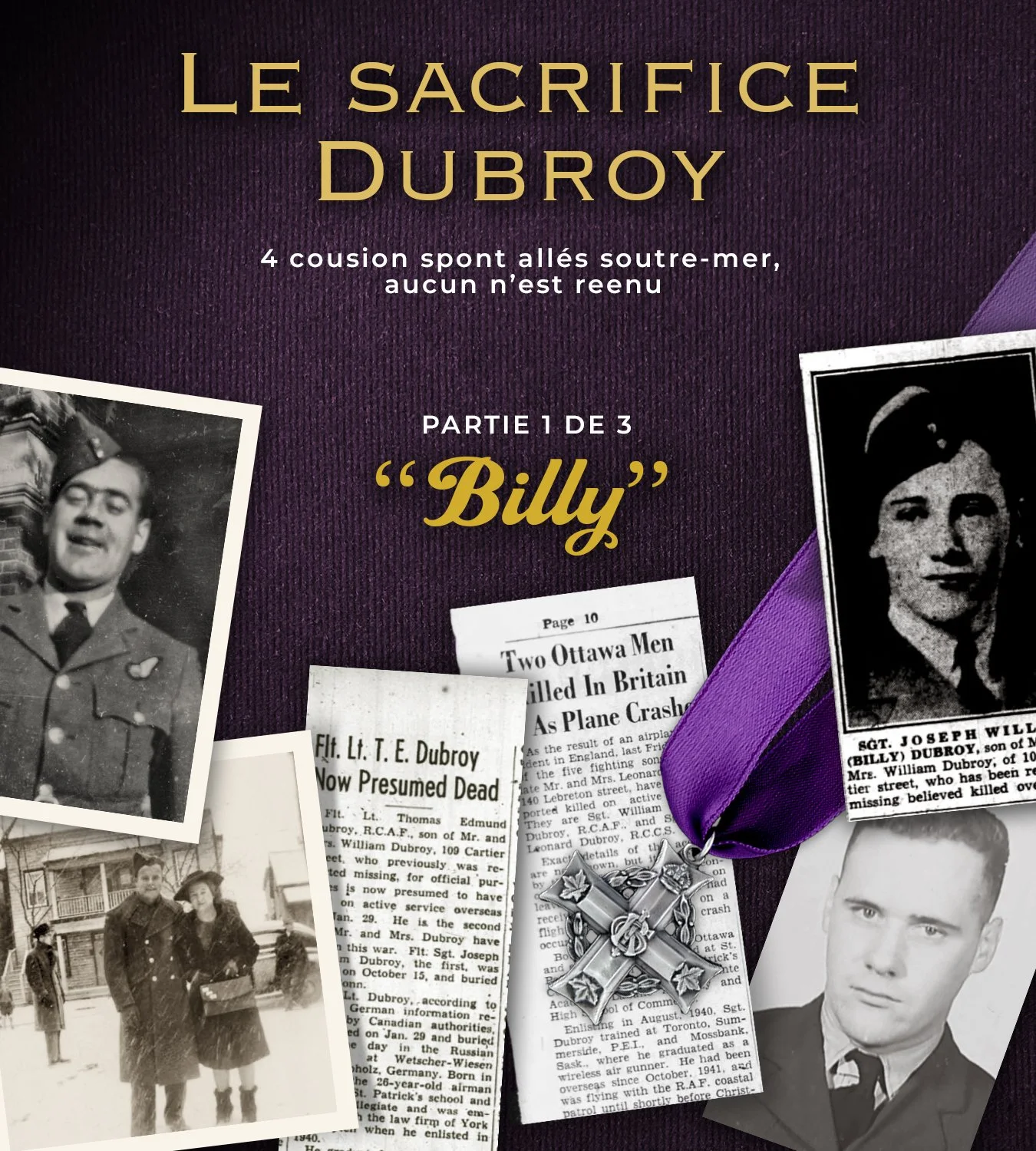
Le sacrifice Dubroy – Billy
Au cours de l'après-midi du 15 octobre 1942, Joseph William « Billy » Dubroy, originaire d'Ottawa, écrasa sa cigarette Gold Flake, exhala un dernier long nuage de fumée du coin de la bouche et se leva péniblement du fauteuil brocart défraîchi du mess des sergents de la base aérienne de Pocklington.
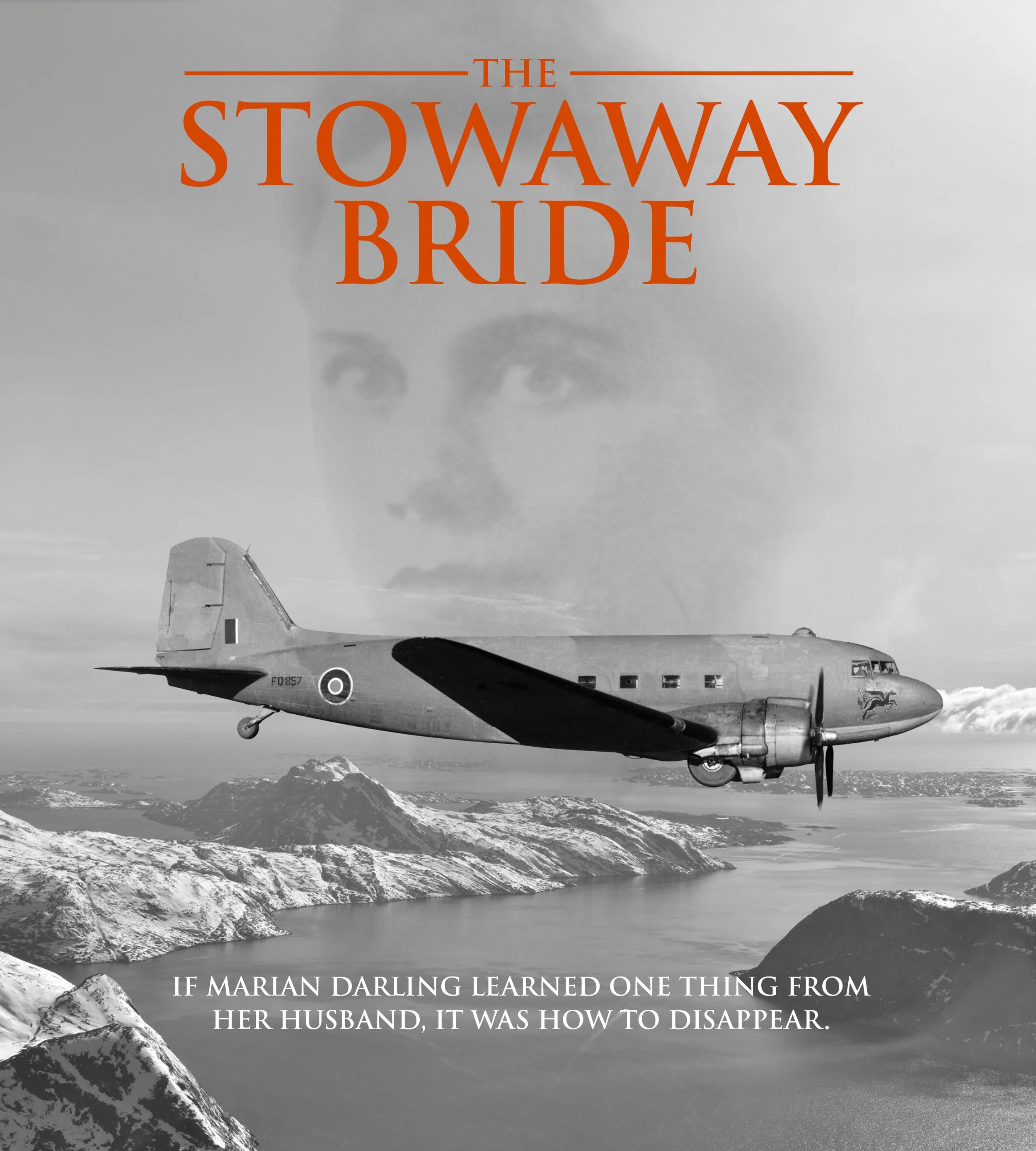
THE STOWAWAY BRIDE
From the left side window of the cockpit, Captain Nathaniel “Nat” Tooker could see the black-green sea of the North Atlantic Ocean and the endless pattern of pale white breakers and drifting spume flecking the surface all the way to the northern horizon. It always made hum shudder looking down on the vast and empty waterscape. “God, If we have to ditch,” he thought to himself, “there is no hope for a rescue in time. None.”
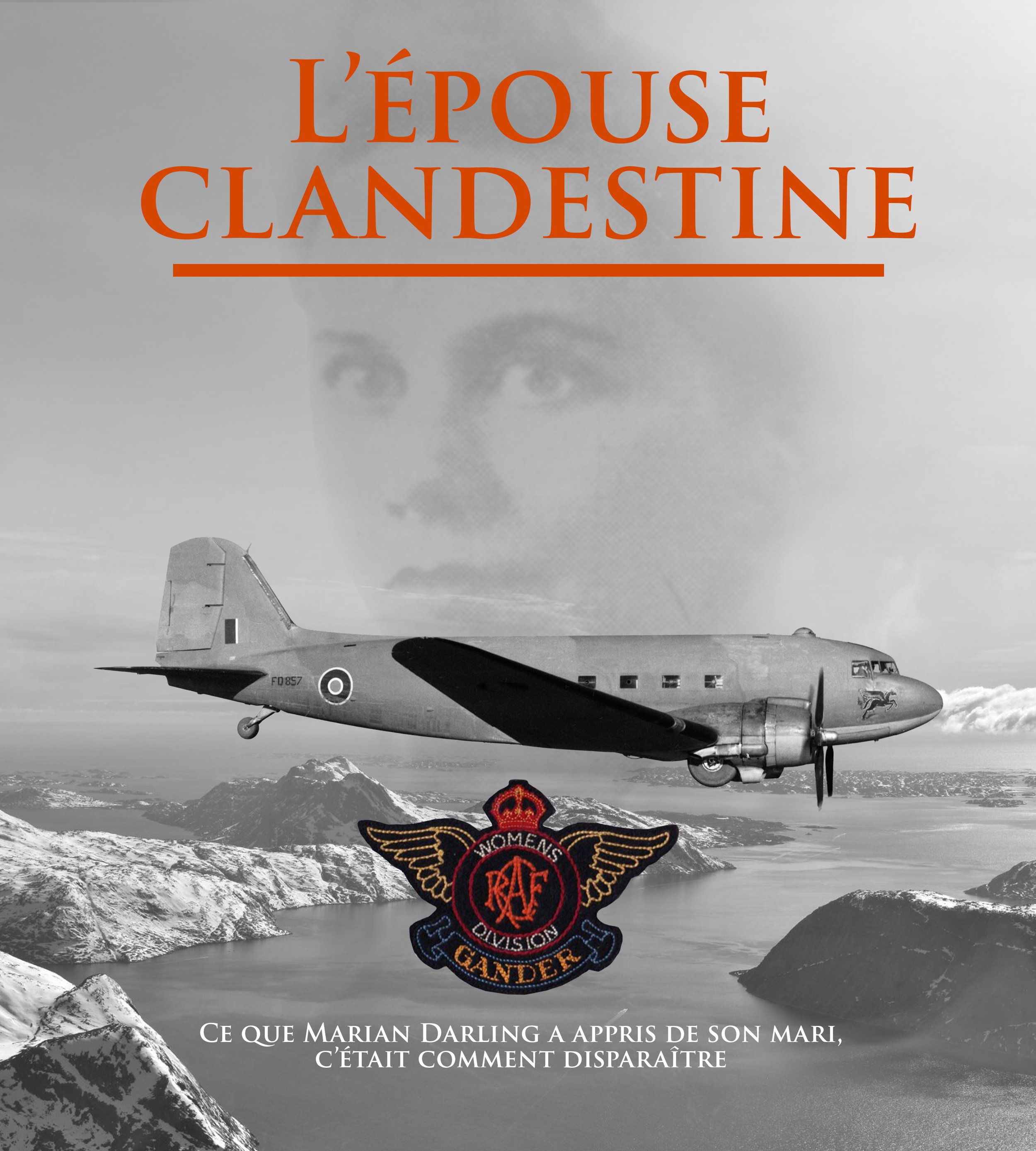
L’ÉPOUSE CLANDESTINE
De la fenêtre gauche de la cabine de pilotage, le capitaine Nathaniel « Nat » Tooker pouvait voir la mer noir-vert de l’Atlantique nord ainsi que les brisants blanc et l'écume flottante à la surface jusqu'à l'horizon. Cela le faisait toujours frissonner de regarder ce vaste paysage aquatique. « Mon Dieu, si nous devons amerrir, » se dit-il, « il n'y a aucun espoir d'un sauvetage à temps. Aucun. »
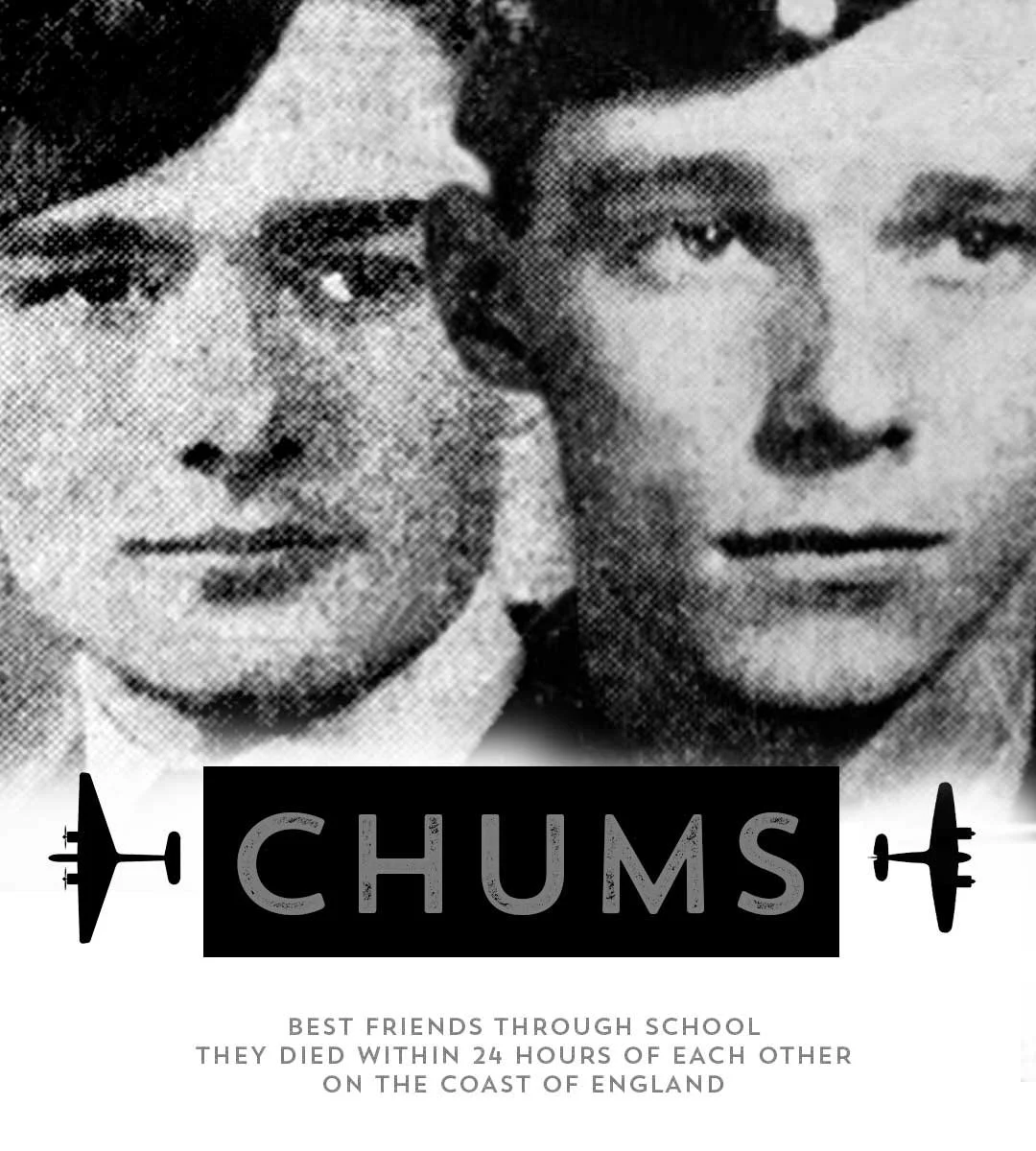
CHUMS
Among the nearly 2,000 men and women I mapped, I found stories that took the grief of their story to another level — men who died on the first day of the war or who died on the last. Men who died on their birthday, on Christmas Day, Mothers Day or Remembrance Day. Men who died on their first bombing mission. Men who died on their last before going home. Men who vanished on their way home. One particular story which appeared in both Ottawa papers in late February of 1943 grabbed me immediately and has held my heart since the day I first saw it.
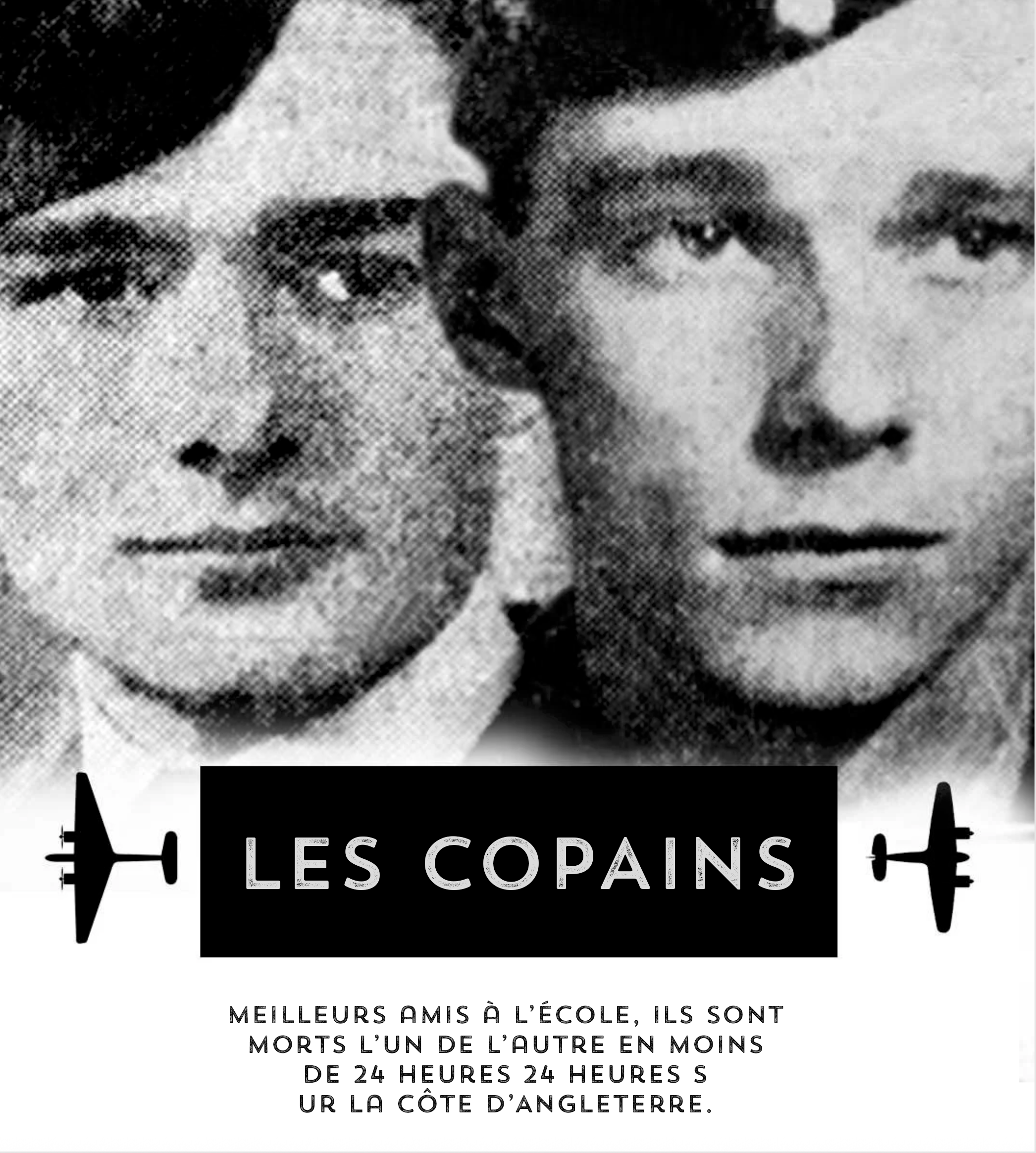
LES COPAINS
Parmi les quelque 2 000 hommes et femmes que j'ai répertoriés, j'ai trouvé des histoires qui ont porté le deuil à un niveau supérieur : des hommes qui sont morts le premier jour de la guerre ou le dernier. Des hommes qui sont morts le jour de leur anniversaire, le jour de Noël, le jour de la fête des Mères ou le jour du Souvenir. Des hommes morts lors de leur première mission de bombardement. Des hommes morts lors de leur dernière mission avant de rentrer chez eux. Des hommes disparus sur leur chemin du retour. Une histoire particulière, parue dans les deux journaux d'Ottawa à la fin du mois de février 1943, m'a immédiatement frappé et m'a marqué dès ma première lecture.
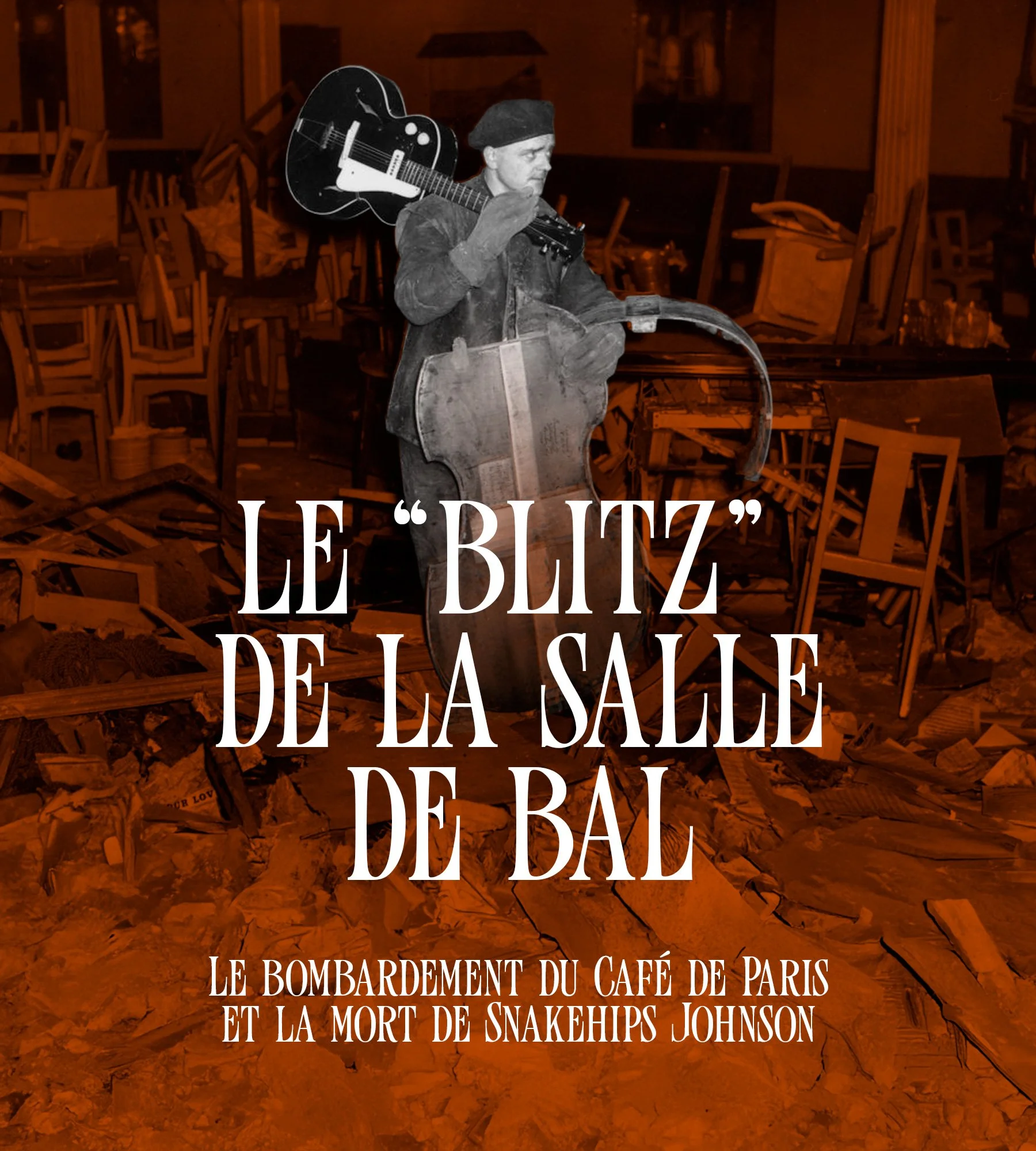
LE “BLITZ” DE LA SALLE DE BAL
« Le restaurant le plus sécuritaire et le plus vibrant de la ville, même en cas de raids aériens à six mètres sous terre. »
C'est ainsi que se vantaient les annonces publicitaires dans les journaux pour le café de Paris, une boîte de nuit chic du West End londonien.
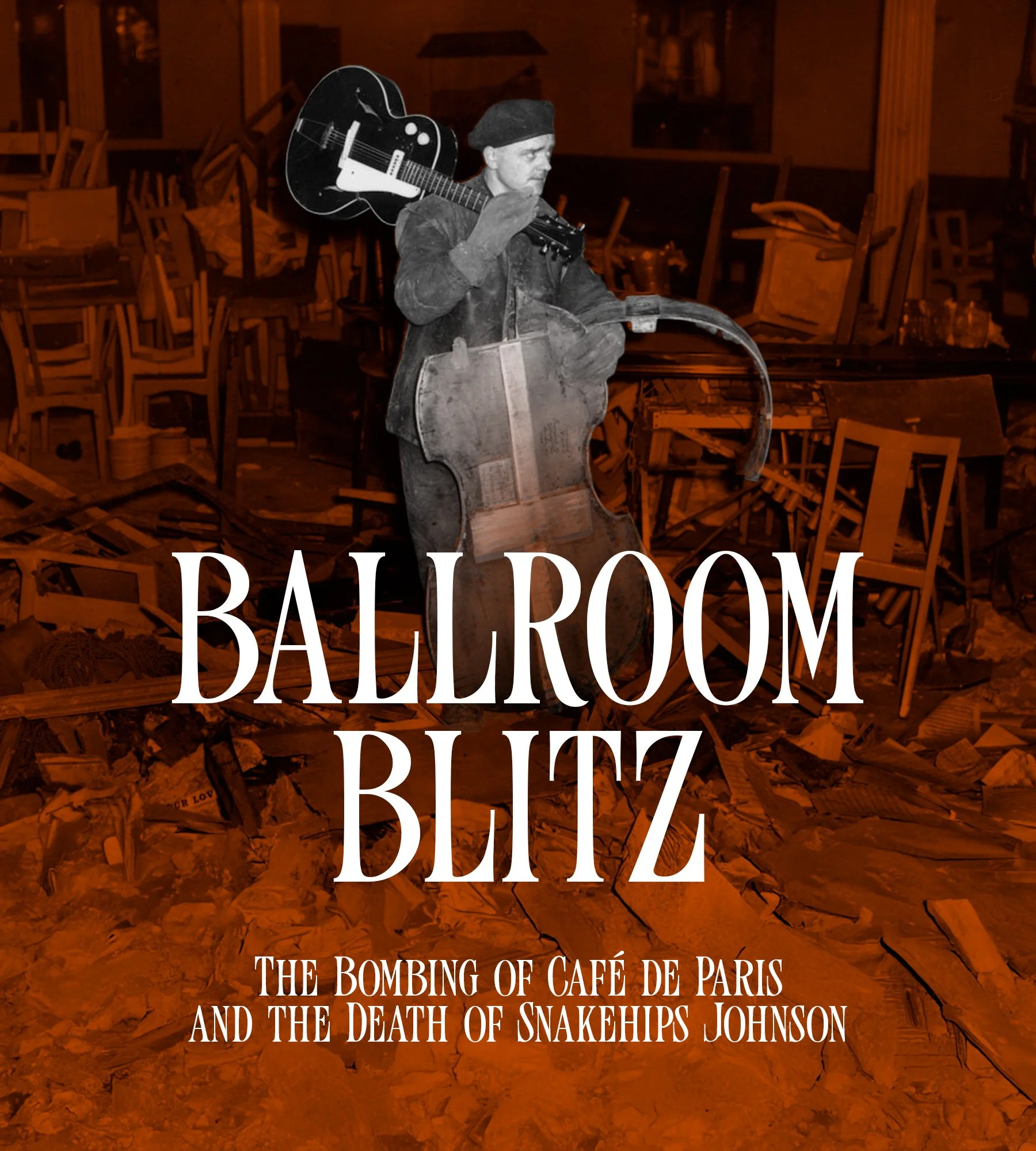
BALLROOM BLITZ
"The safest and gayest restaurant in town—even in air raids. Twenty feet below ground".
So touted the newspaper advertisements for London’s West End night club, the posh Café de Paris.

The Red Baron and the Varsity Blue
At some point in the first week of May, 1917, Rittmeister Manfred Albrecht von Richthofen, sat down in the evening at his writing desk in his private room at the magnificent Chateau de Roucourt, along the Belgian Border.
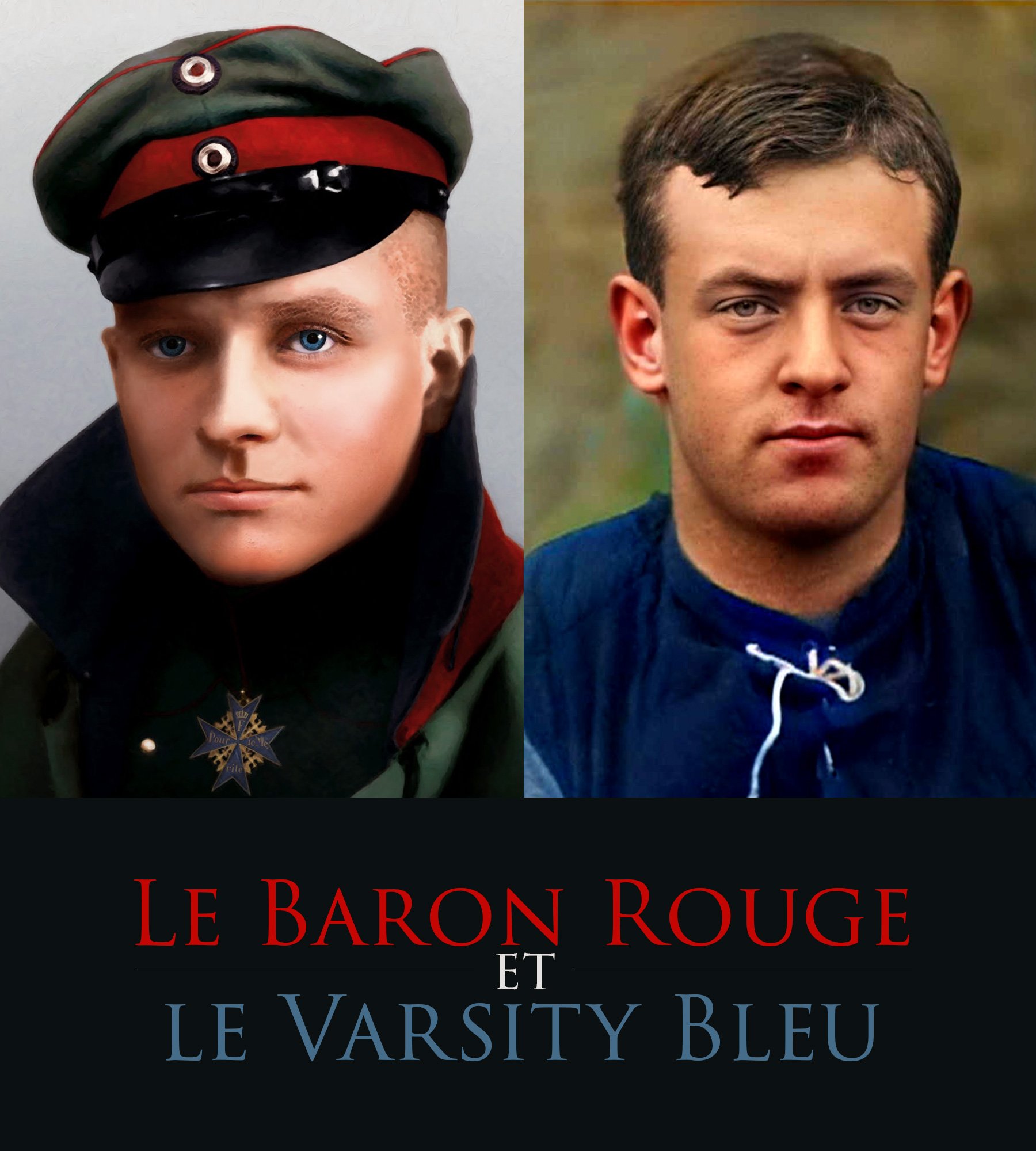
Le Baron Rouge et le Varsity Blue
À un moment donné dans la soirée du mardi 30 avril 1917, le Rittmeister Manfred Albrecht von Richthofen s'est assis à son bureau dans sa chambre privée du magnifique château de Roucourt, à quelques kilomètres de la frontière belge.

Sentinelle - L'histoire de Ron Moyes
Au cours de la Seconde Guerre mondiale, le mitrailleur arrière du Bomber Command assumait le rôle le plus dangereux et, en fin de compte, le plus meurtrier de tous les combattants.

Sentinel—The Ron Moyes Story
During the Second World War, the Bomber Command rear gunner had what is arguably the most dangerous and ultimately deadliest job of any combatant in the war.

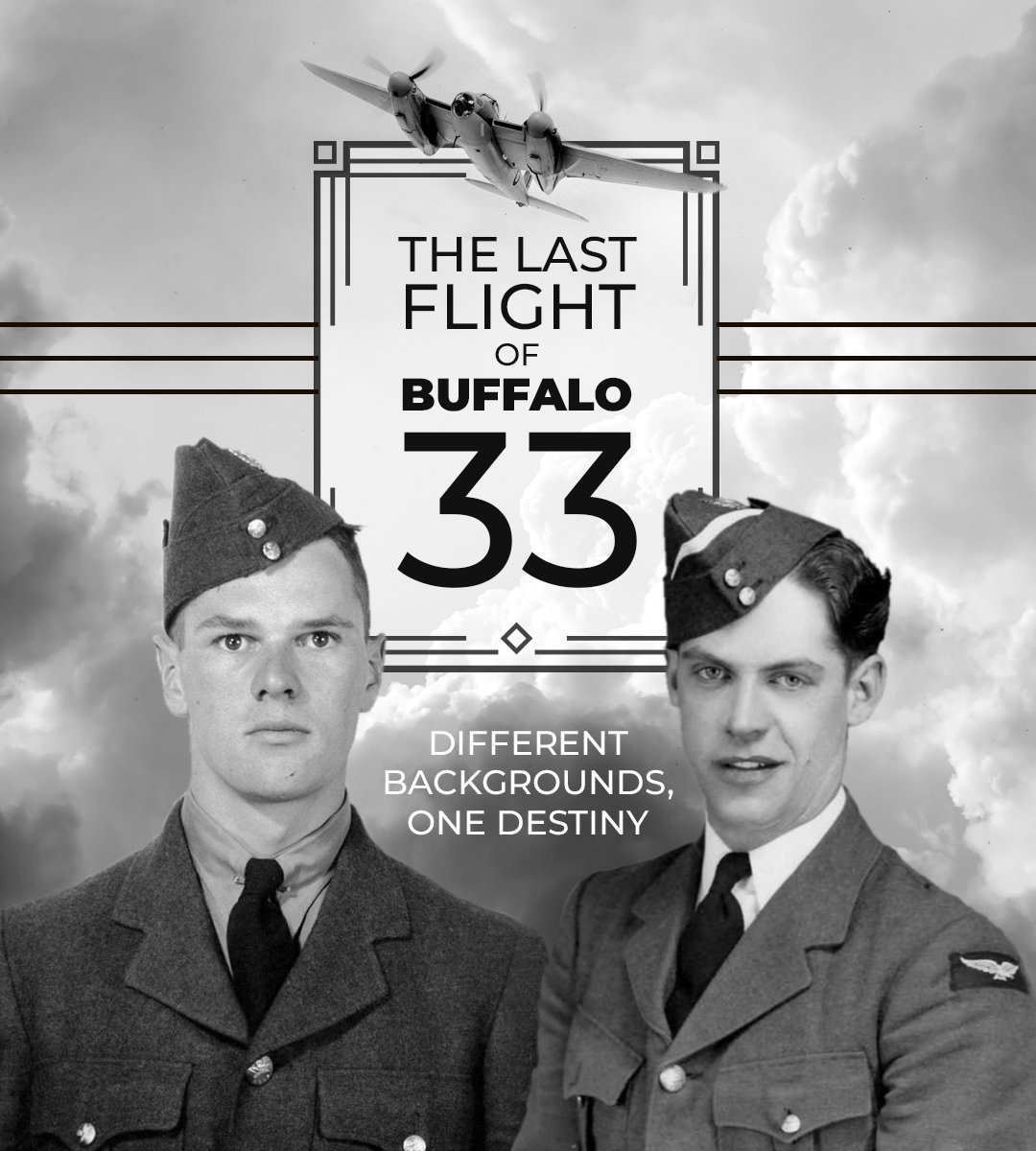
THE LAST FLIGHT OF BUFFALO 33
One was the son of an Air Marshall, the other the son of a Farmer. They died side by side, and were buried a thousand miles apart.

Le dernier vol de Buffalo 33
Tout était fini en quelques secondes. Trop peu de secondes pour que les deux hommes à l’intérieur comprennent ce qui se passait.

L’aviateur fantôme
Pendant la guerre, la disparition d’un fils lors d’une mission aérienne portait un coup dur et douloureux pour toutes les familles. À l’époque, après le premier télégramme annonçant une disparition au combat, de nombreux mois sans nouvelle pouvaient s’écouler pendant que chaque piste d’espoir s’effritait une après l’autre au fil du temps. Une perte sans trace représentait, le plus souvent, une réalité écrasante que les parents devaient endurer pour le reste de leur vie.
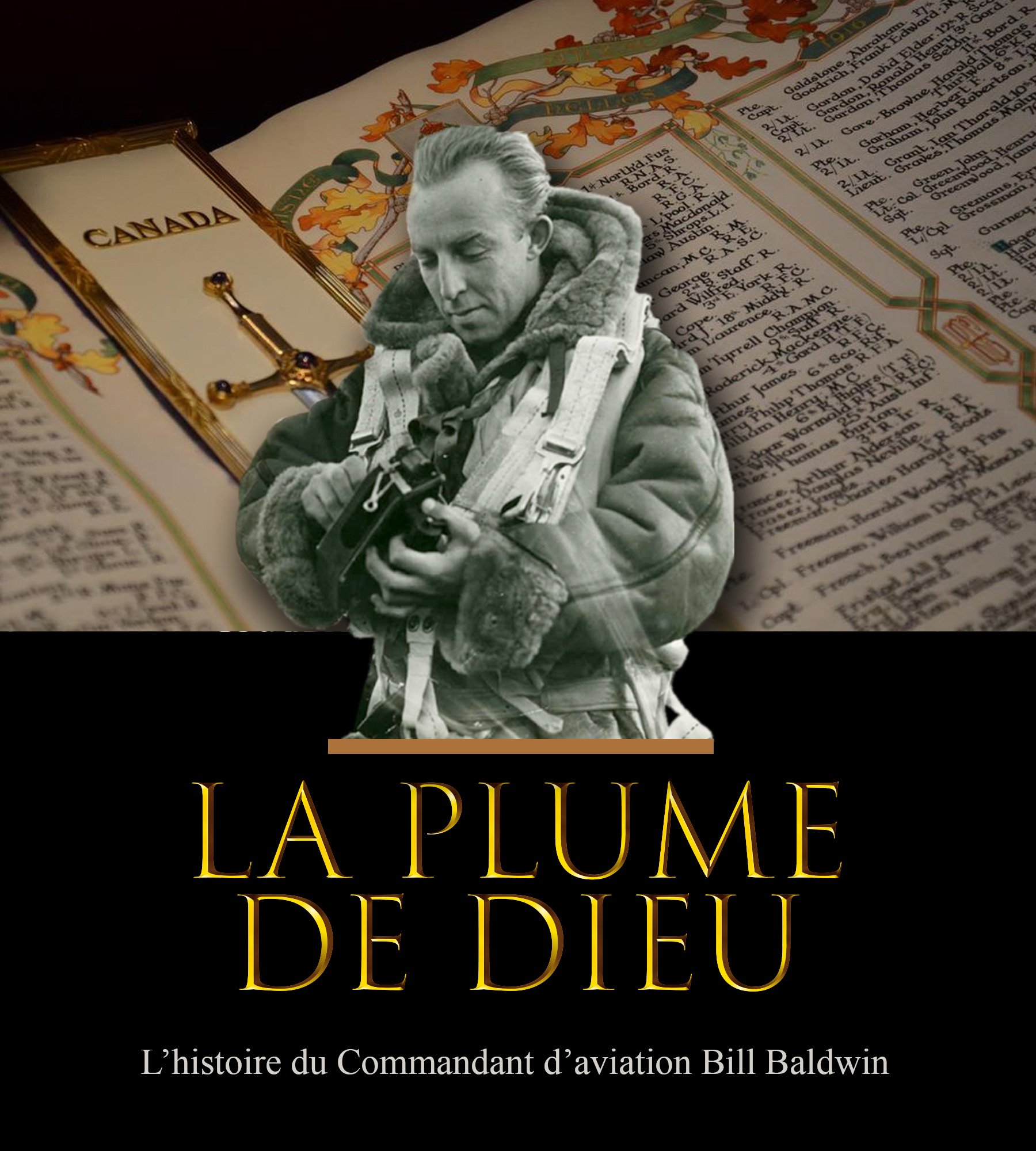
LA PLUME DE DIEU
Malgré ces horizons ténébreux, l’impitoyable réalité de la guerre en 1943 a très peu atteint Haldensleben. La plupart des jeunes hommes sont partis vers l’est, perdus dans des défaites nord-africaines ou en danger en Italie. Les camions de l’armée traversent en grondant la ville tous feux éteints et les locomotives de ravitaillement halètent dans la gare de triage. Cependant, la ville elle-même est rarement visitée par les horreurs de la guerre totale. Malgré cette isolation, Ernst Heuer, âgé de 15 ans, n’a jamais connu le sommeil profond d’un adolescent.

The Phantom Airman
During the war, the death of a son on air operations was a heavy and lacerating blow to every family, but back then it was often drawn out for many months, revisited again and again as each layer of hope was stripped away after the first missing-on-operations telegram. Absolute disappearance was, as often as not, the unsatisfactory reality that parents would have to embrace for the rest of their lives.
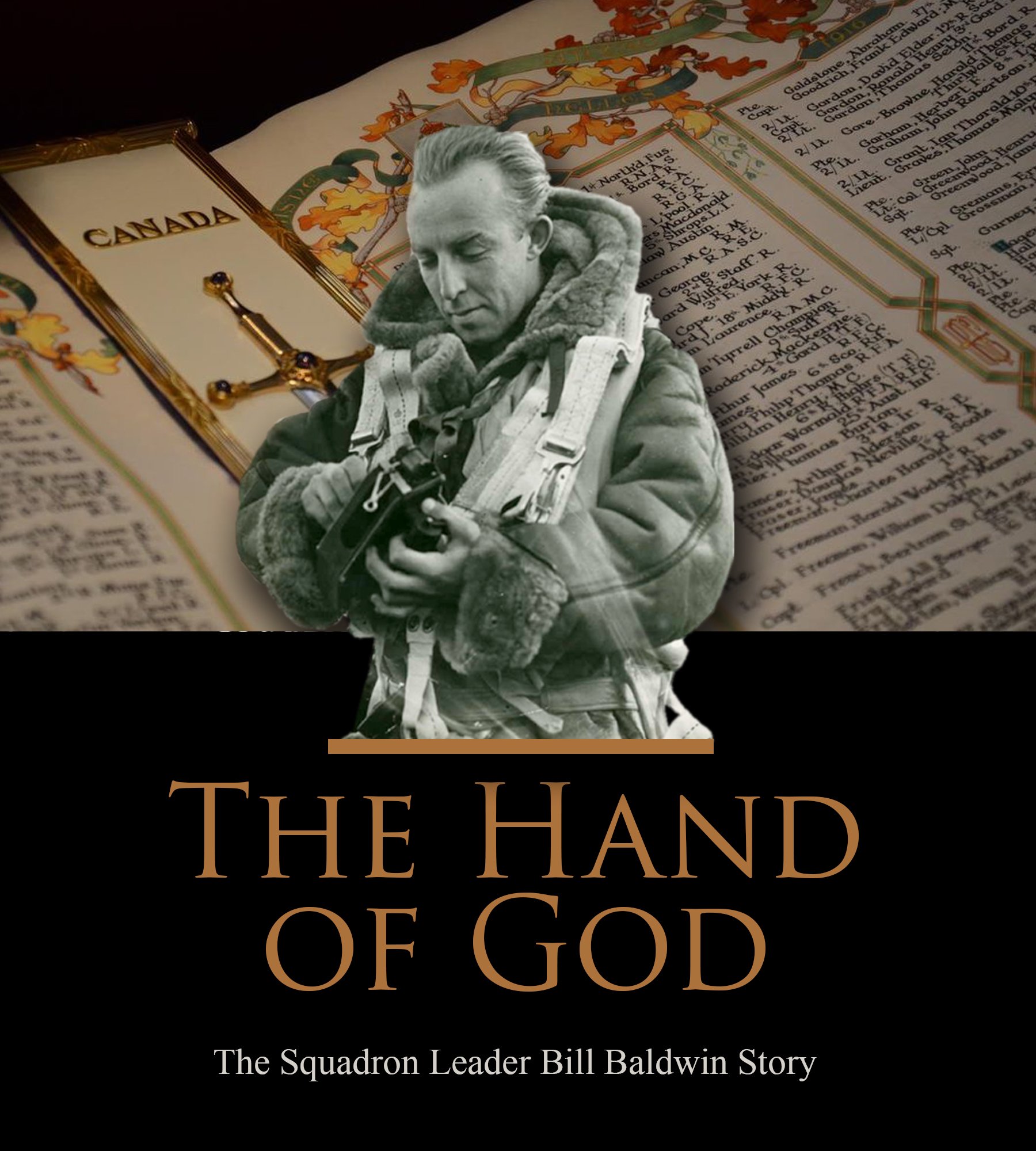
THE HAND OF GOD
Despite the night horizons, the harsh reality of war rarely came to Haldensleben in 1943. Most of the young men were gone to the east or lost to North African failures. Darkened army trucks rumbled through town and supply locos panted in the rail yard, but the town was rarely visited by the horrors of total war. Despite this distance, 15-year old Ernst Heuer never slept the sleep of a teenager.

Les premiers vols à Ottawa - Épisode Trois
Cecil Malcolm Peoli construisait encore des modèles volants en 1911. Il a appris à piloter à l’âge de 17 ans en 1912, et un an plus tard, il pilote un avion Baldwin Red Devil autour de la colline du Parlement à Ottawa